The Essential Checklist for Visiting a Gin Bar NYC

New York rewards people who pay attention. That is true in galleries, on subway platforms, and especially in bars. A good gin bar can look casual from the sidewalk, yet run with the precision of a fine dining room. The lighting is low, the backbar is dense with labels, and the room seems relaxed, but the difference between a forgettable stop and a memorable night often comes down to a few small decisions you make before you sit down.
If you have ever walked into a promising Gin Bar NYC spot and frozen at the menu, you are not alone. Gin asks more of a drinker than vodka or whiskey usually does. It has structure, aroma, and a botanical profile that can shift from piney and classic to floral, savory, citrus-forward, or downright eccentric. The best bars know how to guide people through that range. The best guests know how to read the room, ask useful questions, and order in a way that gets them closer to what they actually enjoy.
This checklist is built from real bar-going habits, not fantasy tasting-room behavior. It is for the person planning a date night in the West Village, the traveler trying to squeeze one excellent cocktail into a packed evening, and the local who wants to stop ordering the same G and T every time. New York has no shortage of places serving gin. What matters is knowing how to identify the bars that take it seriously and how to make the most of your visit once you are there.
Start with the kind of night you actually want
Before you think about labels, cocktails, or reservations, define the experience. This sounds obvious, but it is where most people go wrong. They pick a bar from social media, arrive at peak hour, and then realize the place is optimized for a very different evening than the one they had in mind.
A true destination gin bar may be intimate, quiet, and expensive. That can be perfect if your goal is to taste a rare bottle side by side with a classic London dry and talk to a bartender who knows the distilleries. It is less ideal if your group is six people deep, hungry, and looking for high-volume energy. On the other hand, a lively cocktail bar with a strong gin program may hit the sweet spot if you want atmosphere first and nuance second.
In New York, neighborhoods shape the experience almost as much as the bar itself. A compact East Village room might turn over quickly and feel social, even noisy. A hotel bar in Midtown may offer more elbow room, stronger reservation discipline, and a menu designed for broad appeal. Downtown, you are more likely to find menus that lean adventurous, with saline, herbs, fortified wines, or house infusions. Uptown, the service style may be more formal, and the classics may be executed with a stricter hand. None of these is better by default. The point is to match your expectations to the setting.
Know what makes a gin bar worth the trip
A bar does not become serious about gin just because it stocks a lot of bottles. Quantity helps, but curation matters more. Some of the best gin-focused programs in New York are not enormous. They are disciplined. They stock distinct styles, rotate seasonally, and train staff to explain the differences in plain English.
When I judge whether a gin bar is worth returning to, I pay attention to three things. First, I look at breadth of style. Do they carry only familiar London dry labels, or do they also offer contemporary citrus-led gins, navy strength options, and a few bottlings with savory or floral profiles? Second, I look at how the menu uses gin. If every gin cocktail is just a renamed sour with different garnish, the program is shallow. If the menu shows confidence with martinis, highballs, stirred drinks, and lower-proof aperitif-style options, that is a better sign. Third, I listen to how staff answer simple questions. A bartender does not need to lecture. They do need to translate flavor into something useful.
There is also a practical marker that many guests miss: glassware, temperature, and dilution. Gin is aromatic. Serve it too warm or overworked, and the edges blur fast. At a well-run bar, the martini arrives sharp and cold, the ice in a gin and tonic is fresh and plentiful, and the garnish has a purpose beyond decoration. A slapped sprig of rosemary can hijack a drink. A thick grapefruit peel can transform it. Details matter.
The pre-visit checklist that saves you money and disappointment
A little preparation changes the night. This is especially true in a city where the difference between a carefully run bar and a crowded room with good branding can cost you thirty dollars a round.
- Check the current menu, not just tagged photos. Menus change often, and older images create false expectations.
- Look for reservation policy and seating style. Standing room can be fun, but not if you wanted a calm tasting experience.
- Scan the spirit list for range. You want more than a few familiar labels and one decorative Japanese gin.
- Eat first or confirm food options. Gin on an empty stomach can hit harder than people expect.
- Decide your budget before you arrive. Top-shelf martinis, premium tonics, and multiple rounds add up quickly in New York.
This kind of planning is not fussy. It is efficient. The strongest drinkers I know are often the most deliberate. They want to spend on quality, not surprises.
Learn the main gin styles before you order
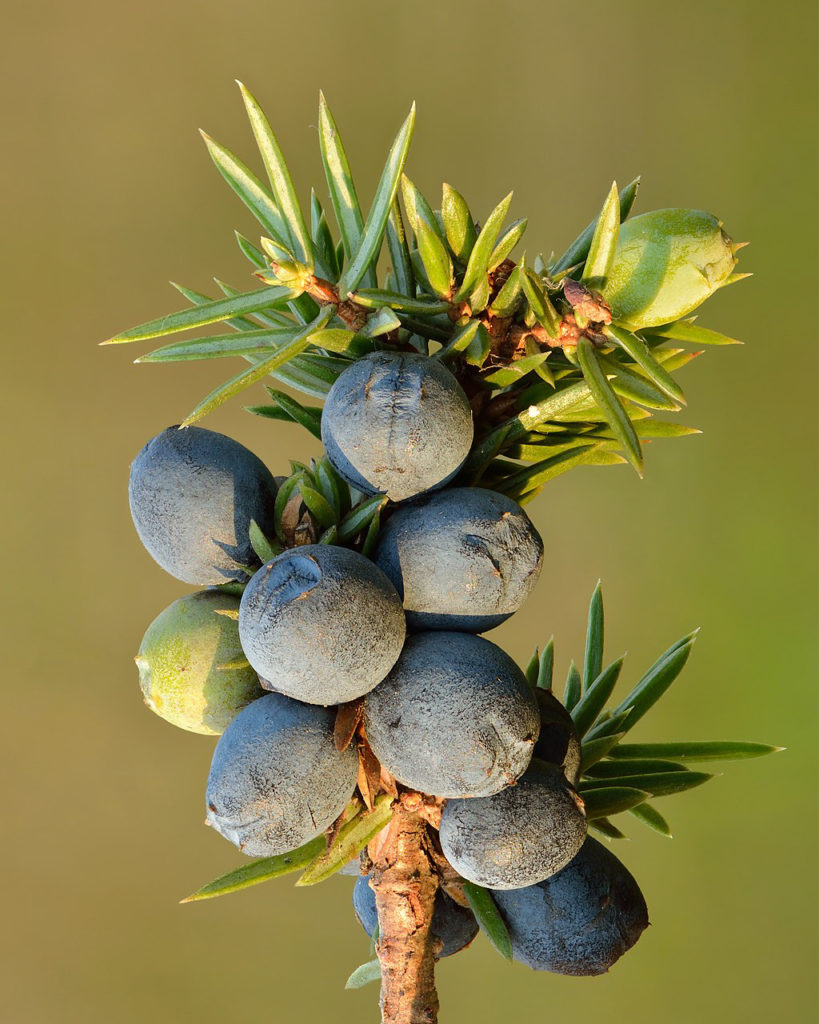
You do not need a certification to enjoy gin, but a rough map helps. Think of gin as a family rather than a single flavor. Juniper is the backbone, yet the surrounding botanicals change everything. A classic London dry tends to be crisp, dry, and juniper-led, often with coriander, citrus peel, angelica, and orris as supporting notes. It is usually the safest choice if you like martinis with structure.
Contemporary styles often pull juniper slightly back and push citrus, floral, or herbal tones forward. These can be excellent in a tonic or in modern cocktails where you want brightness without too much pine. Then there are gins with savory profiles, olive leaf, seaweed, black pepper, thyme, even subtle saline character. These are fascinating but not always what someone means when they ask for “a gin drink.”
Navy strength deserves a quick note. It is higher proof, often around 57 percent ABV, and can deliver huge aroma and texture. In the right martini, it is electric. In the wrong hands, it can feel hot and punishing. If you are curious, ask for a half pour or a recommendation in a cocktail built to handle the proof.
Bar staff appreciate specific language more than performative expertise. Saying “I like a dry, piney gin with lemon, not floral” is more useful than naming a random bottle you saw once. Saying “I usually drink martinis with vodka but want to try gin without anything too perfumed” gives them a practical starting point. Good service begins when the guest provides honest information.
Order your first drink strategically
The first drink sets the tone for the visit. If the bar is new to you, it is smart to begin with something that reveals their fundamentals. A martini, gin and tonic, or a simple sour says more about a bar than an elaborate signature drink with smoke and tinctures. You can always go adventurous on the second round.
A martini is the clearest test. It shows how the bar handles temperature, dilution, and balance. It also reveals whether the staff can tailor a drink beyond clichés. If you like yours very cold, with a twist, and with only a whisper of vermouth, say so. If you want a 50-50 martini because you prefer something lighter and more aromatic, ask. A serious gin bar will not flinch.
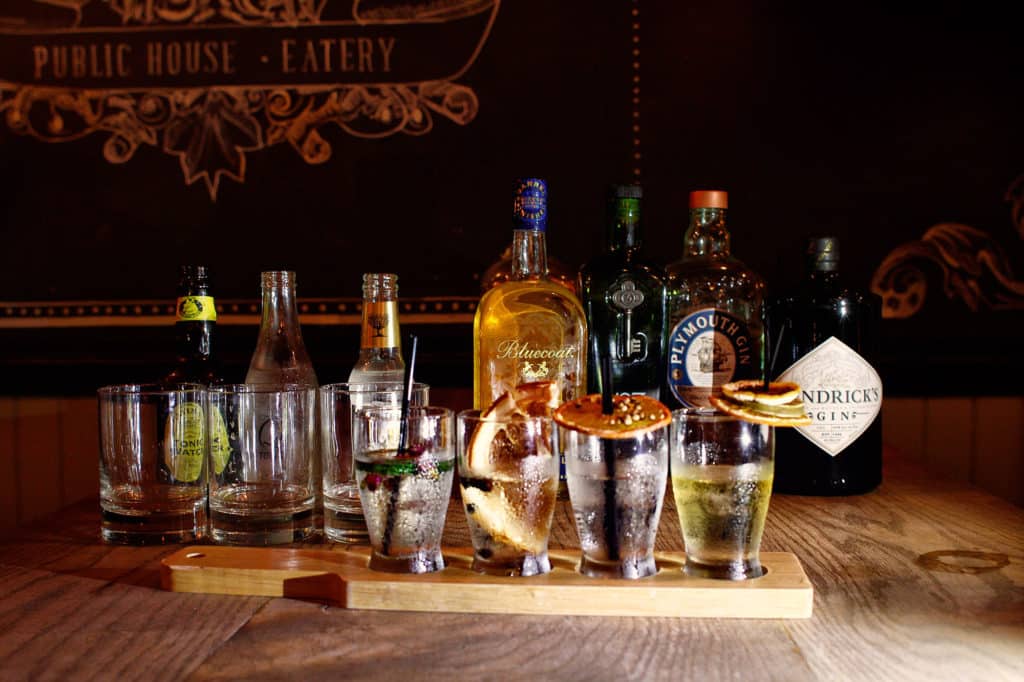
The gin and tonic is more revealing than many people realize. Tonic choice, carbonation, ice quality, and garnish all matter. The best versions taste alive, not sugary or flat. If the bar offers tonic pairings, that can be fun, but ask whether the recommended pairing amplifies the gin or competes with it. Some premium tonics carry so much quinine or citrus character that they drown subtler botanicals.
If you enjoy stirred cocktails beyond the martini, the Negroni is another useful benchmark. It tells you whether the bar understands how gin stands up against bitter and sweet modifiers. A flabby Negroni usually signals a broader issue with balance. A precise one suggests you are in capable hands.
How to talk to the bartender without wasting anyone’s time
New York bars can move fast. Even excellent bartenders do not always have ten minutes to workshop your preferences at 8:30 on a Friday. The trick is to be concise without being vague.
Start with what you like, then add one boundary. “I like citrus and herbs, but not anything too floral.” “I want something spirit-forward, but not sweet.” “I usually drink a dirty martini, but I want to taste the gin tonight.” This gives the bartender room to guide you while keeping them out of the dark.
Timing matters. If the room is slammed, save the deep dive into rare Dutch genever for a quieter hour. If you come in early or sit at the bar when service is steady, most professionals are happy to talk shop. In fact, many gin specialists love curious guests because gin offers so much to discuss, distillation method, botanical balance, proof, tonic pairings, garnish choices, and how one gin behaves differently in a martini than it does in a Collins.
A brief anecdote from years of sitting at bars: the guests who get the best treatment are rarely the loudest or the most knowledgeable. They are the clearest. They pay attention, order thoughtfully, and respond when the bartender asks a real question.
Food changes the way gin drinks land
This is where judgment matters. Gin is aromatic and can seem lighter than whiskey, but that can be deceptive. Two strong martinis before dinner can flatten your palate and your plans. If the bar offers food, use it. Salt, fat, and acidity all help, and some pairings can sharpen your sense of what the gin is doing.
Oysters with a bright, crisp gin martini can be excellent, especially if the gin has saline or citrus notes. Fried snacks work well with tonic-based drinks because bitterness and bubbles cut through richness. Charcuterie and cheese can pair nicely with more juniper-forward or navy strength pours, but a heavily floral gin may clash with stronger cured meats. If you are at a place with a small plates menu, ask what the staff like with the drink you are considering. Good bars usually have internal favorites.
The larger point is pacing. I have seen people blame a bar for drinks that felt “too strong” when the real issue was no food, no water, and a rushed first round. Gin rewards a steadier pace.
Watch for signs that the bar takes gin seriously
Not every warning sign announces itself, but a few patterns are easy to spot once you know them.
- The menu lists gin drinks without naming the gin or describing the profile.
- Every garnish is oversized and decorative, regardless of the drink’s structure.
- Staff can recite brand names but struggle to explain flavor differences.
- The tonic arrives from a flat open bottle or with too little ice.
- A martini sits on the bar before it reaches you, losing temperature by the second.
These are not automatic dealbreakers, but they tell you something about priorities. A real Gin Bar NYC destination may still be playful, loud, or trendy. Seriousness does not require austerity. It does require care.
Price, pours, and why “premium” can be misleading
New York pricing is not gentle. A standard gin cocktail can land anywhere from the high teens into the upper twenties, and rare pours or bespoke martinis can run significantly more. That does not mean expensive equals excellent. Sometimes the upcharge reflects rent, neighborhood, or a luxury setting more than uncommon spirit quality.
If you see a “premium martini” section, ask what changes besides the gin. Better vermouth, custom garnish prep, larger pour size, or tableside service can justify a difference. Sometimes the only change is the brand name. A careful bar will explain. A less careful one will rely on the assumption that pricier sounds superior.
Be especially alert with top-shelf gin and tonics. A beautiful bottle does not guarantee a better mixed drink. Some subtle, expensive gins actually perform worse with assertive tonic than moderately priced bottles that were built for exactly that purpose. This is one of the most useful trade-offs to understand. Prestige and suitability are not the same thing.
When you are curious about a pricier bottle, ask whether the staff recommend it neat, in a martini, or with tonic. Their answer will tell you whether they understand the spirit or are just upselling it.
The martini deserves its own moment
At a gin bar, the martini is not a default order. It is a conversation about style. New York bartenders have strong opinions on this drink, and some of them are right.
There is no universal ideal ratio. What matters is coherence. A very dry martini can be bracing and elegant if the gin is expressive and the temperature is precise. A wetter martini can be more complex, food-friendly, and surprisingly refreshing, especially if the vermouth is fresh and handled well. If the bar stores vermouth carelessly, that wetter build can quickly taste tired. This is why seasoned drinkers sometimes ask which vermouth the bar uses and how often the bottle turns over. It is not snobbery. It is quality control.
Garnish is another live issue. A lemon twist brightens and sharpens. An olive adds savor and weight. A Gibson onion pushes the drink in a more savory, almost culinary direction. If you are trying a new gin, a twist usually gives you the clearest read on the spirit. Dirty martinis have their place, but olive brine can obscure subtleties, especially with softer contemporary gins.
One of the most useful things you can say is, “I want to taste the gin.” That simple sentence often leads to a better drink.
If you are new to gin, do not start with the weirdest bottle on the shelf
Bars love novelty because guests do. Tomato-leaf gin, mushroom gin, seaweed gin, truffle-washed cocktail, all of that can be fun. It can also be a bad first impression if you are still figuring out whether you even like juniper.
Start with a benchmark, then branch out. Try a classic London dry in a martini or G and T. Then compare it to a softer contemporary gin. Only after that should you move toward unusual savory or floral territory. This side-by-side progression teaches your palate more in one evening than a random leap into novelty ever will.
The same logic applies to signature cocktails. If the menu offers a highly composed drink with clarified juice, pepper tincture, and a perfume rinse, ask yourself whether you want to learn about the gin or simply enjoy a creative cocktail. Both are valid. They are not the same activity.
Group dynamics can ruin a great bar, or make it
Gin bars tend to expose group mismatches. One person wants martinis, another wants sweet cocktails, someone else wants beer, and suddenly the table is negotiating identity instead of having a drink. If you are organizing the night, set expectations before people arrive. Choose a place with enough menu flexibility for mixed preferences, or frame the visit as a focused stop for one or two rounds before moving elsewhere.
Large groups should be especially realistic. Tiny bars with serious gin programs often work best for pairs or foursomes. Bigger parties slow service, split attention, and create volume that fights against tasting. If you want a celebratory group night, choose a place built for it. If you want to learn and savor, keep the group small.
I have had some of my best gin-bar evenings with one other person, usually someone whose palate differs from mine. You trade tastes, compare reactions, and notice things you would have missed alone. That kind of conversation suits gin perfectly.
Leaving room for surprise
Preparation helps, but over-planning can flatten the pleasure. A great gin bar visit should include one surprise, maybe a bartender’s recommendation from a lesser-known Gin Bar NYC producer, a tonic pairing that actually works, or a martini spec slightly wetter than you usually order but somehow exactly right in that room.
The point of a checklist is not to turn a night out into homework. It is to remove avoidable friction. Once you have chosen the right place, arrived at the right time, and given the bartender useful information, you can relax into the experience. That is when New York bars tend to show their best side. The room settles around you, the glass arrives cold, the garnish releases its oils, and suddenly what looked like just another nightcap becomes the place you remember from the whole week.
A strong Gin Bar NYC experience is rarely about chasing the rarest bottle or the most ornate menu language. More often, it comes down to judgment: the right bar for the night, the right first order, the right question at the right moment, and the willingness to let a well-trained bartender steer you toward something better than your usual. That is the real checklist. The rest is in the glass.
The Winslow
243 E 14th St
New York, NY 10003, United States
Phone: +1 212-777-7717
FAQ About Gin Bar NYC
How to do a gin tasting?
Start with a small pour and gently smell the gin before taking a small sip. Notice its juniper, citrus, floral or spice notes, then compare how the flavor changes with a little water or tonic. At a gin bar, ask the bartender to explain the selection and botanical pairings.
How to make the best tasting gin and tonic?
Use chilled gin, fresh tonic and plenty of ice. A common starting ratio is one part gin to two parts tonic, adjusted to taste. Choose a garnish that complements the gin's botanicals and stir gently to preserve the bubbles.
What is the smoothest tasting gin?
There is no single smoothest gin for everyone. Perceived smoothness depends on the botanical recipe, alcohol strength, serving temperature and mixer. Describe whether you prefer citrus, floral, herbal or juniper-forward flavors so a bartender can suggest a suitable style.